
Author Archives: Meri Levy

Letting Go of Parent Guilt

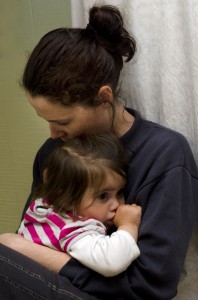
pregnant mom sonThere is no guilt quite like the guilt of a parent. We feel so uniquely responsible for the care of our children. Every lapse in our parenting weighs on us.

Throughout life there are always reasons to feel guilty: the call we forgot to return or the birthday card we forgot to send, or the time we snapped at our partner for no good reason. But when we feel we have failed with our child, this guilt weighs even heavier on our minds.

Guilt is an emotion with a conscience — it helps us try to do our best, and it reminds us of what is important to us. But too much guilt can rob us of enjoyment. And as a parent, there is so much to feel guilty about! If we dote on our child, there’s the house, friends, partner or even job to feel guilty about, and if we try to meet our other obligations, it is easy to feel that you have failed as a parent. It’s a Catch-22!

I wonder sometimes if our parents felt as guilty as we do, or if it is unique to our generation to expect so much from ourselves. And guilt in itself is purposeless. It doesn’t help anyone, but only makes it more difficult to do our best.

When you are feeling guilty, it is important to look at this feeling from some emotional distance, seeing it objectively instead of being its victim. Decide whether your sense of guilt is justified. Sometimes sharing your feelings with a fellow parent can help you sort out what is legitimate and what is perfectionism.

When you feel that you have truly let someone down, it is important to do what you can to make it right. Apologize to the friend you neglected, or the partner or child you yelled at. Try to learn from your guilt to change your priorities and do things differently. Then let the guilt go.

When the guilt is baseless, or unavoidable, like when you feel guilty for a feeling you have, or because you cannot do more than you are capable of, then you need to practice using your “interior parent” to counter those feelings.

If you had a beloved friend who told you she felt terrible because the baby cried while she was on a much-needed outing with her partner, what would you tell her? Probably you would reassure her that she is a wonderful mother, and that she must nurture herself and her relationship in order to be the best mother she can be. You would tell her she has nothing to feel guilty about, and you would also empathize with her pain. This is the role you must also play with yourself.

Listen to your own thoughts, and when they are self-defeating or judgmental, respond to yourself the way you would to a loved one — being a good parent to yourself is part of being a good, loving and joyful parent to your children.

Share this on:

Does Your Personality Style Put You at Risk for Postpartum Depression?

mother baby

By Meri Levy, MA, MFT

What are the risk factors for Postpartum Depression and anxiety? Can your personality contribute to your risk? Check out this article of mine, published on www.GoodTherapy.org.

Take a test to see if you have Prenatal or Postpartum Depression

Share this on:

Returning to Work After Parental Leave

By Meri Levy, MFT

Regardless of what you decided about working after the birth of your baby, facing the reality of going back to work or staying at home once the baby is born can be a very stressful time. Many moms, even those who were certain that they wanted to return to work after their maternity leave, have very conflicting feelings about the reality of returning to work. And some moms who always planned on staying home after having children face unexpected emotional challenges in facing the reality of looking toward a future at home full-time with their child.

What is hard to anticipate when considering the decision to work or stay at home before the baby is born is how big a loss either decision represents. For moms returning to work, it is common to feel:

  • An enormous sense of loss associated with leaving your baby in another’s care
  • A concern that her child will be irreparably harmed by the separation from you
  • Anxiety about being away from your baby and having your baby’s care outside of your control
  • An unexpectedly strong desire to quit your job and stay home with your baby
  • Guilt associated with having a desire to return to work or resentment at having to go back to work
  • A feeling that you must rush through your workday to return to your baby as quickly as possible, for fear your baby will forget you, or you will miss important moments.

For moms choosing to stay at home, it is common to feel:

  • An unexpected sense of loss associated with no longer receiving the validation of purpose that is so often gained by outside work and receiving a paycheck
  • A sense of vulnerability associated with being dependent upon their partner’s income
  • Guilt associated with conflicting feelings about leaving the work world
  • Boredom with the tasks of mothering and loneliness, especially in the early months before the baby becomes more interactive and you find activities you enjoy with your baby
  • Loneliness and isolation associated with being at home with a small baby, especially before you connect with other new mothers at home with their babies.

These feelings can be very confusing, and new moms often struggle with the decision regardless of what their prior plans were. As a new mom, your entire world has changed, your priorities have shifted, and your now occupies a huge place in your heart. It can be a struggle to align the new role of motherhood with the values you previously held. Many moms change course and decide to stay home despite having planned to return to work, or choose to go back to work full or part-time despite planning to remain at home. Financial considerations play a big role in this decision, as does the developing relationship with your baby, your own clarification of your needs and wants, and your relationship with your partner.

Many mothers seek therapy during this time. Getting help to clarify your feelings about returning to work, exploring alternative work arrangements or more flexible careers, and getting validation for your choices can make this difficult time of transition go smoother. Whether you ultimately decide to stay at home for now or return to work, making decisions from a place of self-compassion, and understanding that there is no one “right” answer can allow you the freedom to honor who you are and who you are becoming.

Share this on:

My Journey Through Postpartum Depression and Panic Disorder

Whenever I talk about the symptoms of perinatal mood and anxiety disorders, I always include “unusual physical symptoms.” What does that mean? It means that any new physical symptoms that begin during pregnancy and postpartum can be related to mental health.

My own experience with postpartum depression and anxiety was quite atypical, and that was partly why I suffered for months before receiving the proper diagnosis and treatment.

I had lots of risk factors for postpartum depression: a previous bout of depression, the sudden loss of my mother only a few years before, a previous birth trauma, an unsupportive marriage, and breastfeeding difficulties. But even though I had suffered from depression before, after the death of my mother, my postpartum symptoms were not recognizable to me.

I did OK after my first child was born, although it was a difficult time for me. But after my second child, my stress level was off the charts. My older son was kicked out of two day care programs because he wouldn’t use the potty (he regressed after his brother was born). I never made enough milk for the new baby because of my stress level and because he was so big (born almost 10lbs) , and he refused to nurse completely as soon as he started solid foods. I felt guilty about “failing” at breastfeeding, and I was also afraid that I would not be able to go back to work after maternity leave because I couldn’t find daycare that would take my challenging and potty-resistant older son.

In the meantime, I had difficulties in my marriage. My husband worked long hours, and when he was there he criticized my parenting style, my cooking, and my housekeeping. Even our challenging preschooler was my fault! I was trying my best to make everyone happy, but I was clearly failing.

During this time, I started to have odd physical symptoms. I started feeling that the room was tilting and that I was off-balance. I had to lie down and felt the room was spinning around me. My doctor thought it was either an inner-ear infection or possibly Multiple Sclerosis, and I was sent for neurological testing. The tests came back normal, although MS couldn’t be ruled out (a bonus for my anxiety, of course!).

My symptoms came and went, and then began to include nausea and vomiting along with the dizziness, a complete lack of appetite, and an inability to sleep. I had a low-grade fever on and off for a couple of months and my white blood-cell count was high. I lost 16 pounds beyond the baby weight, slept about three to four hours a night, and threw up regularly — out the door of the car, in the sink at the pediatrician’s office, etc. I felt that my body was swaying even when I was perfectly still, and my bed felt like it was shaking as I lay in it trying to sleep. My skin felt prickly, my chest burned and my hands tingled. The dizziness made watching TV or reading impossible, and walking or driving became difficult. I felt sure that I was dying.

My doctor considered an inner ear problem, hormones, diabetes, thyroid issues, and even encephalitis, but every test came back normal. I was living on Ensure and Gatorade, because I couldn’t keep any solid food down. The stress of caring for my children became unbearable, so we hired a babysitter and I spent most of every day lying in bed, praying to fall asleep for a couple of hours to get some rest. I was prescribed Ativan, but it just knocked me out for an hour or two and I would wake up feeling even worse than before.

After about four months, I fell apart completely and told my doctor that he had to hospitalize me because I was dying, and at that point I wanted to die if they couldn’t stop the misery I was living in. I was admitted to a psychiatric inpatient unit, but my doctor was still sending me around to specialists, trying to figure out what was physically wrong with me.

I stopped vomiting as soon as I was admitted to the hospital. That was when I realized that whatever was going on with me had to do with stress. I spent 12 days in the hospital, during which time I started taking antidepressants and was prescribed an anti-anxiety medication that allowed me to sleep. For a few days, all I did was sleep. When I was awake I was no longer nauseous, but I was filled with unbearable emotional pain. I was terrified that I would never be able to care for my children without getting sick. I felt like the worst mother in the world.

After I was released from the hospital I did a full-day partial hospitalization program for a month, which gave me time for the antidepressant to start working and allowed me to take care of myself for a change. I learned in group therapy about the ways in which I had prioritized my responsibility for others way above self-care, in unhealthy and unhelpful ways, and I began to heal. With the help of medication, therapy, and later couples counseling, I recovered. I still had anxiety at times, but I also had joy and passion for life. I became a lactation educator, started a small business helping other new moms, and led new parent support groups for several years. Eight years later I went back to school to become a Marriage and Family Therapist.

I still have to be vigilant about managing stress and maintaining good self-care. I tell myself that this is the “gift” of being prone to depression and anxiety: I don’t have the luxury of tolerating a great deal of stress like some people seem to do, or living life in a way that generally makes me unhappy. I am obligated to do work that I love, to have a healthy relationship with my husband, and to prioritize joy, peace and comfort as well as caring for my family. I know that I always have to be mindful to avoid a recurrence of depression, but I also know that I am strong and resilient and will do whatever I have to do to be healthy and take good care of myself and my children.

My mental health issues began when my second child was seven months old, and yet no one ever considered a postpartum condition. My symptoms were fully consistent with panic disorder and depression, and yet my doctor and my therapist (yes, a trained therapist!) never considered these diagnoses. My hope is that in the future, mothers and their caregivers become better educated to recognize perinatal mood and anxiety disorders so that they can be treated early and mothers can return to enjoying their lives again.

  • If you need immediate help, please call the National Suicide Hotline at 1-800-273-TALK (8255)
  • If you are looking for pregnancy or postpartum support and local resources, please call or email Postpartum Support International:

Call PSI Warmline (English & Spanish) 1-800-944-4PPD (4773)
Email support@postpartum.net

Take a test to see if you have Prenatal or Postpartum Depression

Share this on:

Statement of Anti-Discrimination and Land Acknowledgment

As a psychotherapist that works with families from all ethnic and racial backgrounds as well as other marginalized groups, I want to affirm that I stand with our Black community and families of color, as well as LGBTQ+ people.

Through my work and life, I commit to doing my part to bring awareness to and dismantle systemic racism, sexism, homophobia, and transphobia, as well as other forms of discrimination and othering. As a straight, white cisgender woman, I recognize that I have been the recipient of unacknowledged and unearned privilege. I explicitly and publicly affirm my identity as an ally and commit to doing my own work to acknowledge and address racism, sexism, homophobia, and transphobia when I encounter them.

I recognize that discrimination also significantly affects the mental health and well-being of people of different faiths, those with disabilities, those with mental illness, and those who face weight stigma. In my life and in my psychotherapy practice, I am committed to addressing the impacts of discrimination with my clients and to taking a social-justice-oriented approach.

My home and office are on land formerly occupied by the Saklan tribe of the Bay Miwok people. I acknowledge that I live and work on stolen land and commit to continue to learn about and advocate for social justice for native people.

Share this on:

Notice of Privacy Practices

THIS NOTICE DESCRIBES HOW HEALTH INFORMATION MAY BE USED AND DISCLOSED AND HOW YOU CAN GET ACCESS TO THIS INFORMATION. PLEASE REVIEW IT CAREFULLY.

I. MY PLEDGE REGARDING HEALTH INFORMATION:
I understand that health information about you and your health care is personal. I am committed to protecting health information about you. I create a record of the care and services you receive from me. I need this record to provide you with quality care and to comply with certain legal requirements. This notice applies to all of the records of your care generated by this mental health care practice. This notice will tell you about the ways in which I may use and disclose health information about you. I also describe your rights to the health information I keep about you, and describe certain obligations I have regarding the use and disclosure of your health information. I am required by law to:

  • Make sure that protected health information (“PHI”) that identifies you is kept private.
  • Give you this notice of my legal duties and privacy practices with respect to health information.
  • Follow the terms of the notice that is currently in effect.
  • I can change the terms of this Notice, and such changes will apply to all information I have about you. The new Notice will be available upon request, in my office, and on my website.

II. HOW I MAY USE AND DISCLOSE HEALTH INFORMATION ABOUT YOU:
The following categories describe different ways that I use and disclose health information. For each category of uses or disclosures I will explain what I mean and try to give some examples. Not every use or disclosure in a category will be listed. However, all of the ways I am permitted to use and disclose information will fall within one of the categories.

For Treatment, Payment, or Health Care Operations: Federal privacy rules (regulations) allow health care providers who have direct treatment relationship with the patient/client to use or disclose the patient/client’s personal health information without the patient’s written authorization, to carry out the health care provider’s own treatment, payment or health care operations. I may also disclose your protected health information for the treatment activities of any health care provider. This too can be done without your written authorization. For example, if a clinician were to consult with another licensed health care provider about your condition, we would be permitted to use and disclose your person health information, which is otherwise confidential, in order to assist the clinician in diagnosis and treatment of your mental health condition. Disclosure of confidential information may also be required by your health insurance carrier or HMO/PPO/MCO/EAP in order to process claims. If your therapy sessions are covered by insurance, or if you seek reimbursement from your insurance, your treatment records may be disclosed.

Disclosures for treatment purposes are not limited to the minimum necessary standard. Because therapists and other health care providers need access to the full record and/or full and complete information in order to provide quality care. The word “treatment” includes, among other things, the coordination and management of health care providers with a third party, consultations between health care providers and referrals of a patient for health care from one health care provider to another.

Lawsuits and Disputes: If you are involved in a lawsuit, I may disclose health information in response to a court or administrative order. I may also disclose health information about your child in response to a subpoena, discovery request, or other lawful process by someone else involved in the dispute, but only if efforts have been made to tell you about the request or to obtain an order protecting the information requested.

III. CERTAIN USES AND DISCLOSURES REQUIRE YOUR AUTHORIZATION:

Marketing Purposes. As a psychotherapist, I will not use or disclose your PHI for marketing purposes.

Sale of PHI. As a psychotherapist, I will not sell your PHI in the regular course of my business.

IV. CERTAIN USES AND DISCLOSURES DO NOT REQUIRE YOUR AUTHORIZATION. Subject to certain limitations in the law, I can use and disclose your PHI without your Authorization for the following reasons:

When disclosure is required by state or federal law, and the use or disclosure complies with and is limited to the relevant requirements of such law.

For public health activities, including reporting suspected child, elder, or dependent adult abuse, or preventing or reducing a serious threat to anyone’s health or safety.

For health oversight activities, including audits and investigations.

For judicial and administrative proceedings, including responding to a court or administrative order, although my preference is to obtain an Authorization from you before doing so.

For law enforcement purposes, including reporting crimes occurring on my premises.

To coroners or medical examiners, when such individuals are performing duties authorized by law.

For research purposes, including studying and comparing the mental health of patients who received one form of therapy versus those who received another form of therapy for the same condition.

Specialized government functions, including, ensuring the proper execution of military missions; protecting the President of the United States; conducting intelligence or counter-intelligence operations; or, helping to ensure the safety of those working within or housed in correctional institutions.

For workers’ compensation purposes. Although my preference is to obtain an Authorization from you, I may provide your PHI in order to comply with workers’ compensation laws.

Appointment reminders and health related benefits or services. I may use and disclose your PHI to contact you to remind you that you have an appointment with me. I may also use and disclose your PHI to tell you about treatment alternatives, or other health care services or benefits that I offer.

V. CERTAIN USES AND DISCLOSURES REQUIRE YOU TO HAVE THE OPPORTUNITY TO OBJECT.

Disclosures to family, friends, or others. I may provide your PHI to a family member, friend, or other person that you indicate is involved in your care or the payment for your health care, unless you object in whole or in part. The opportunity to consent may be obtained retroactively in emergency situations.

VI. YOU HAVE THE FOLLOWING RIGHTS WITH RESPECT TO YOUR PHI:

The Right to Request Limits on Uses and Disclosures of Your PHI. You have the right to ask me not to use or disclose certain PHI for treatment, payment, or health care operations purposes. I am not required to agree to your request, and I may say “no” if I believe it would affect your health care.

The Right to Request Restrictions for Out-of-Pocket Expenses Paid for In Full. You have the right to request restrictions on disclosures of your PHI to health plans for payment or health care operations purposes if the PHI pertains solely to a health care item or a health care service that you have paid for out-of-pocket in full.

The Right to Choose How I Send PHI to You. You have the right to ask me to contact you in a specific way (for example, home or office phone) or to send mail to a different address, and I will agree to all reasonable requests.

The Right to See and Get Copies of Your PHI. Other than “psychotherapy notes,” you have the right to get an electronic or paper copy of your medical record and other information that I have about you. I will provide you with a copy of your record, or a summary of it, if you agree to receive a summary, within 30 days of receiving your written request, and I may charge a reasonable, cost based fee for doing so.

The Right to Get a List of the Disclosures I Have Made.You have the right to request a list of instances in which I have disclosed your PHI for purposes other than treatment, payment, or health care operations, or for which you provided me with an Authorization. I will respond to your request for an accounting of disclosures within 60 days of receiving your request. The list I will give you will include disclosures made in the last six years unless you request a shorter time. I will provide the list to you at no charge, but if you make more than one request in the same year, I will charge you a reasonable cost based fee for each additional request.

The Right to Correct or Update Your PHI. If you believe that there is a mistake in your PHI, or that a piece of important information is missing from your PHI, you have the right to request that I correct the existing information or add the missing information. I may say “no” to your request, but I will tell you why in writing within 60 days of receiving your request.

The Right to Get a Paper or Electronic Copy of this Notice. You have the right get a paper copy of this Notice, and you have the right to get a copy of this notice by e-mail. And, even if you have agreed to receive this Notice via e-mail, you also have the right to request a paper copy of it.

EFFECTIVE DATE OF THIS NOTICE

This notice went into effect on September 20, 2013

Share this on:

How Doulas Can Help With Postpartum Depression

family with babyOn Wednesday, I was invited to speak to a group of local doulas, the Mt. Diablo Doula Community, about prevention of Perinatal Mood and Anxiety Disorders (PMADs), as well as how to recognize the disorders and how to help their clients. I hope the presentation might be helpful for doulas who are wanting more information about these disorders and what role they can play in keeping moms healthy and happy. You can access the Presentation Here. Attachments to the presentation are the Edinburgh Postnatal Depression Scale and an associated Suicide Screening Interview.

Share this on:

Antidepressants: Yay or Nay?

canstockphoto19841317For individuals who have struggled with depression, the decision of whether to try, or later to stay on antidepressant medication is often a difficult one. Some people swear they will never try an antidepressant, until or unless their depression becomes so debilitating that there seems to be no other option. For others, the promise of relief is so attractive that they jump into the decision to take antidepressants, but then they struggle with the question of whether the medication is a lifelong sentence.

To Take Antidepressants or Not to Take Antidepressants

There are no easy answers to this question (as is true for most important ones!). Studies show that individuals suffering from moderate to severe depression have better odds of recovery with a combination of therapy and antidepressants. However, for some people, changes in diet, additional exercise, and better strategies for coping with stress can work just as well. For debilitating depression, medication can often help to lift a person up enough to be able to meaningfully participate in therapy. But depression generally happens for a reason, and often changes in thinking patterns, relationships or career are necessary for a person to have more happiness and fulfillment in their life. Medication alone may not make these changes happen. Does relying on antidepressants to make life more bearable reduce the motivation to make needed life changes that will improve the quality of one’s life? The answer to that question may be different for every individual, and is something that can be explored in therapy.

Side Effects

Some individuals find great relief on antidepressants, and don’t have any bothersome side effects. But others experience weight gain, sexual side effects or other unwanted secondary effects from these drugs. Sometimes, switching medication can resolve these issues, but in some cases the antidepressants that work for the individual are the same ones that cause other problems. That is a common reason why some people consider going off medication and try to manage their depression in other ways.

Never Go Off Antidepressants Without Consulting Your Doctor

A reminder here is important; never go off antidepressant medication suddenly, or without the supervision of the prescribing doctor. Some of these drugs require an extended period of weaning to avoid serious withdrawal symptoms. And an important factor to consider is the possibility that if you wean off your antidepressant medication, the same medication may not work for you as well in the future. That is one factor that you need to weigh with your health provider when making this decision.

Issues Raised by Weaning Off Antidepressants

Individuals that decide in consultation with their doctor to wean off antidepressants face a whole other set of challenges. The fear of a relapse of depression can be the most difficult part. Coping with the symptoms of withdrawal can be challenging, and often brings up these fears. Also, people who go off antidepressant medication may find themselves more vulnerable to feelings of sadness, irritation, anger and stress than they are used to. Learning coping strategies for these emotions is very important. A really bad day can create a lot of anxiety that the depression may be returning, even if the emotions involved are normal and healthy. Therapy can be an helpful place for reality-testing in terms of what is healthy and what is a signal that depression may be returning.

The thoughts and feelings around the decision to go on or off of antidepressant medication can be confusing. Therapy and consultation with your medical provider to sort through the questions and concerns raised by antidepressants is a good place to start.

Share this on:

For New Moms: When You’re “Just Not Yourself”

By Meri Levy, MFT

canstockphoto14016122Being a new mother should be a joyous time in your life. But what if you’re not feeling like yourself after having a baby? About 10-15% or of new moms experience postpartum depression, which can begin any time during the first year after childbirth. Depression is a treatable illness that causes feelings of sadness, indifference, and/or anxiety.

Postpartum depression (PPD) is different from the “baby blues.” A majority of new mothers experience the “baby blues,” a period of sadness that isn’t debilitating and passes quickly. Symptoms of the “baby blues” include tearfulness, irritability, restlessness, and anxiety. But when symptoms of sadness, irritability or anxiety continue for more than two weeks or make it difficult to care for your baby, there is more going on and it’s time to reach out for help.

Symptoms of PPD include:

  • Fatigue or lethargy
  • Feeling sad, hopeless, helpless, or worthless
  • Trouble sleeping/sleeping too much
  • Loss of appetite/increased appetite
  • Difficulty concentrating/confusion
  • Crying for no apparent reason
  • Lack of interest in the baby
  • Fear of harming the baby or oneself

Symptoms can vary in severity, but persistent depression often causes new moms feel isolated, guilty, or ashamed.

You should tell your doctor if you have several of these symptoms for more than two weeks; if you have thoughts of suicide or thoughts of harming your child; depressed feelings are getting worse; or you are having trouble caring for your baby or yourself.

Depression is an illness. It is not a sign of weakness or of being a bad mother. It can be treated successfully, and getting help is the best thing you can do for your baby.

Risk Factors for PPD

Any new mom can develop PPD. Its causes may include hormonal and other physical changes, sleep disturbance, emotional adjustments and chronic stress. However, women are at increased risk of depression if they have a personal or family history of depression, if they are have experienced particularly stressful life events such as significant losses, a high-risk pregnancy or traumatic birth, or if they don’t have adequate support from family and friends.

Other Postpartum Conditions:

Postpartum Anxiety and Obsessive Compulsive Disorder
Many new moms experience anxiety rather than sadness after giving birth. Anxiety, panic attacks, irrational fears or intrusive thoughts, or images can be associated with Postpartum Anxiety or Obsessive Compulsive Disorder. Symptoms of a panic attack can include a racing heartbeat, unusual physical symptoms, a sense of impending doom, the feeling that you are dying, dizziness or nausea.

Posttraumatic Stress Disorder after Childbirth
New mothers can also develop post-traumatic stress disorder (PTSD) following a traumatic childbirth experience. PTSD involves reexperiencing the trauma through flashbacks or nightmares, having difficulty sleeping, and feeling detached or estranged from friends and loved ones.

Postpartum Psychosis
Postpartum psychosis is extremely rare but also very serious. It affects only two out of every 1,000 new moms. The symptoms are severe and may include insomnia, agitation, hallucinations, and extreme paranoia or suspiciousness. Postpartum psychosis is a serious medical emergency and requires immediate attention.

Treatment for Postpartum Disorders is Effective

If you believe you are suffering from a postpartum disorder, the first step is to talk to your doctor or mental health provider.

You should be evaluated by your doctor to rule out a medical cause that can contribute to depression.

Psychotherapy, medication or a combination of the two may be needed to get you back to feeling like yourself. But you must continue treatment even after you begin to feel better, because discontinuing treatment too soon can cause symptoms to recur.

The support of family and friends is also instrumental to your recovery. In addition, joining a support group for postpartum disorders can help overcome feelings of isolation, increase coping skills and provide social support.

Getting help is the most important step you can take for yourself and your baby. Untreated maternal depression is associated with developmental delays in babies, as well as potentially serious emotional consequences for your growing child.

How Partners Can Help

New moms suffering from Pospartum Depression and Anxiety need the support of their partner, as well as friends and family. Help with baby care and household responsibilities, provide an ear to listen or a shoulder to cry on, and be patient and understanding with her struggles. And make sure she gets help.

Partners also need to take care of themselves. Having a new baby is hard for partners too. And if the mother is depressed, you are dealing with two major stressors. Partners can also suffer from Postpartum Depression, a often undiagnosed problem.

How to help a partner suffering from a postpartum disorder:

  • Encourage her to talk about how she is feeling. Listen without judging her. Instead of trying to fix the problems, just be there for her to lean on.
  • Offer help around the house. Chip in with the housework and childcare responsibilities. Don’t wait for her to ask!
  • Make sure she takes time for herself. Rest and relaxation are important. Encourage her to take breaks, hire a babysitter, or schedule some date nights.
  • Be patient if she’s not ready for sex. Depression affects sex drive, so it may be a while before she’s in the mood. Offer her physical affection, but don’t push if she’s not ready for sex. She will recover in time!
  • Go for walks with her. Getting exercise and sunshine can make a big dent in depression, but it’s hard to get motivated when you’re depressed. Help her by making walks a daily ritual for the two of you.

Take a test to see if you have Prenatal or Postpartum Depression

Share this on: